
By Natalie Festa, CCL Student Staff
Uncovering the difficult histories of slavery and racism in the United States and sharing these stories with the public is a critical aspect of challenging racial injustice in the present. South of Rice University lie several sugar plantations which retain historical significance as sites on which enslaved Africans and African American sharecroppers worked. The study of these sites provides unparalleled insight into the history of racism and slavery in the American South.
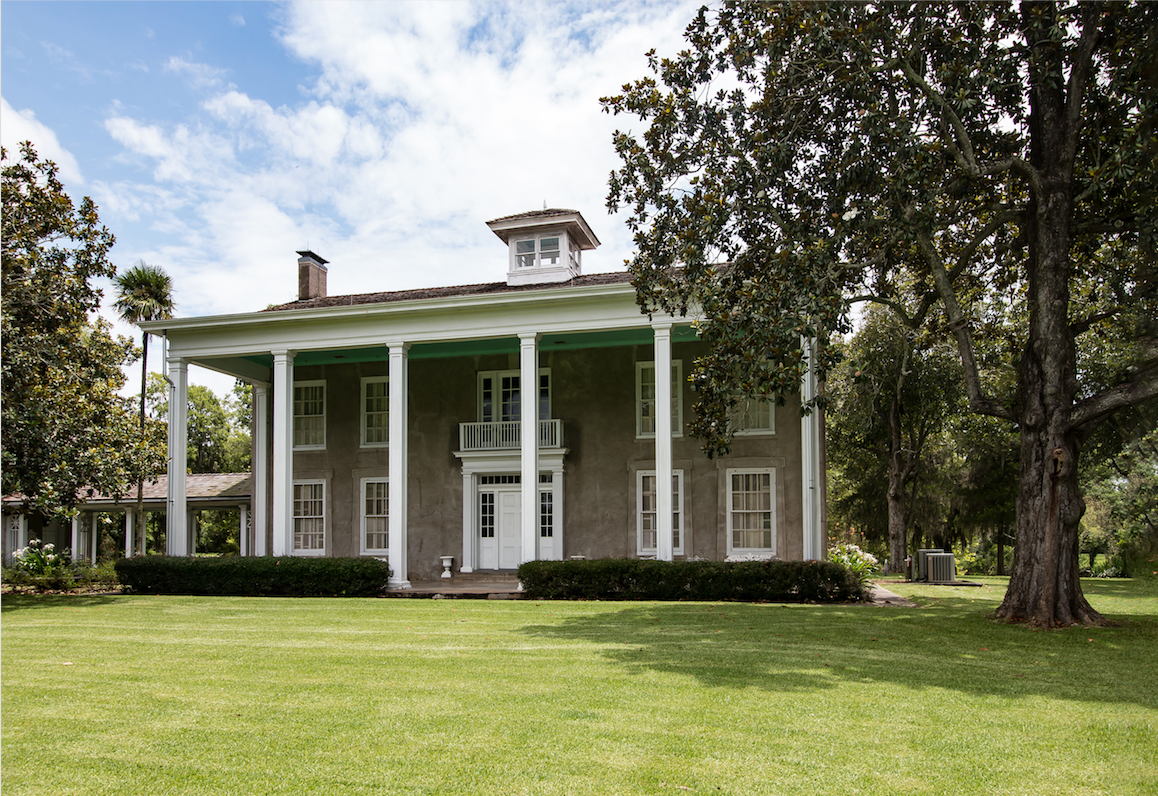
Recently an interdisciplinary team of Rice faculty and staff received a grant from the Faculty Initiatives Fund that will support a partnership between Rice University and the Texas Historical Commission (THC) to study the history of slavery and plantation life. The proposal focuses on the Varner Hogg Plantation, a nineteenth century sugarcane plantation in Brazoria County, south of Houston, upon which dozens of enslaved Africans and later, convict laborers, lived and worked. Through research and experiential learning opportunities for undergraduates, the partnership aims to situate and document the history of enslaved people and convict laborers at the site, as historically, stories have been presented through the eyes of the plantation owners. “Working with archival materials, museum exhibits, and archaeological sites, students will engage in research and interpretation on slavery and how it is presented to the public. We envision this partnership as the first step in an ongoing collaboration between these multiple disciplines/centers at Rice and the THC,” the proposal states.
Since 2018, students and faculty of the Department of Anthropology have been involved in archaeological excavations of slave quarters at Levi Jordan Plantation near the town of Brazoria. This project has allowed students to be involved in research on the lives of enslaved people who lived and worked on this plantation, and to provide a voice to their experiences through the archaeological investigation of living quarters and the establishment of museum exhibits. This work has been done in partnership with the THC, which aims to develop plantation sites into nationally significant cultural destinations that document the role of African Americans in settling and developing Texas. Now, that partnership has broadened to incorporate many more University departments, faculty members, and students, which will widen the scope, perspectives, and methodologies of this important research.
This partnership will provide more opportunities for students and faculty to meaningfully engage with Center for Civic Leadership (CCL) programming. Elizabeth Vann, Director of Programs and Partnerships at the CCL, notes “the mission and goals of the CCL align well with the project’s intended grounding in sustained, mutually beneficial community-based learning as well as its aim to construct a public history that focuses attention on the lives of enslaved people.” The CCL became involved when Molly Morgan, of the Anthropology Department, spearheaded efforts to collaborate with other departments and to create a multifaceted research program that engages with the work of the THC. The CCL worked with Morgan to design a HART project for the 2021 Spring semester that will develop a set of recommendations for redesigning the public history interpretation offered at the Main House. The HARTproject will be one of many collaborations between Rice University and the THC, as more departments involved with the program establish new research opportunities for students and faculty.
Faculty involved with the partnership straddle multiple departments and centers at the University, allowing a wide range of students to participate in the upcoming programs. Sponsors of the proposal include program leads Jeffrey Fleisher and Molly Morgan of the Anthropology Department, Caleb McDaniel of the History Department and Co-Chair of the Task Force on Slavery, Segregation and Racial Injustice, Anthony Pinn of the Religion Department and the Director of the Center for African and African American Studies, Rebecca Russell and Amanda Focke of the Woodson Research Center, and Elizabeth Vann and Alan Steinberg of the Center for Civic Leadership. The diverse programming and research opportunities that will result from this collaboration will provide more insight into the plantation’s history, and the meaning that it has in the modern day. Importantly, the partnership will complement the work of the Task Force on Slavery, Segregation, and Racial Injustice, helping to achieve the University’s goals to challenge forces of racial injustice and to understand its own history in relation to racism and slavery.